Article Overview: East Tennessee drivers should evaluate auto insurance based on coverage limits, deductibles, customer service quality, claims-handling reputation, and local agent availability—not just premium cost. The cheapest policy often carries thinner coverage that leaves drivers exposed after an accident on I-40, I-75, or the winding roads of the Smokies. Comparing quotes side-by-side on coverage details, not just price tags, protects your finances long-term.
Auto insurance shopping usually starts and ends with one question: what’s the lowest price? For East Tennessee drivers navigating mountain roads, unpredictable winter weather, and increasing traffic around Knoxville, Chattanooga, and the Tri-Cities, that question misses the bigger picture entirely.
A policy that saves you $20 a month can cost you thousands after a collision if your coverage limits fall short or your deductible is too high to manage. Insurance is a financial safety net, and a net full of holes doesn’t do much good when you need it most.
This guide breaks down what East Tennessee drivers should actually look at when comparing auto insurance options – coverage quality, insurer reliability, and the local factors that make this region unique. By the end, you’ll know how to evaluate a policy the way an insurance professional would, rather than relying on price alone.
What coverage limits make sense for East Tennessee drivers?
Tennessee requires drivers to carry minimum liability coverage of 25/50/25 – that’s $25,000 per person for bodily injury, $50,000 per accident for bodily injury, and $25,000 for property damage. These minimums satisfy the law, but they rarely cover the real cost of a serious accident.
Medical bills from a single hospital visit after a collision can easily exceed $25,000. If your liability limits run out, you’re personally responsible for the remaining balance. That’s a significant financial risk, especially for drivers who own a home or have other assets to protect.
Choose higher liability limits – such as 100/300/100 – if you have savings, property, or income that a lawsuit could put at risk. Choose closer to state minimums only if you have minimal assets and are comfortable accepting that financial exposure. For most East Tennessee homeowners and families, the modest premium increase for higher limits is worth the protection it provides.

How does East Tennessee's weather and geography affect insurance needs?

East Tennessee’s terrain and climate create specific risks that flatland regions don’t face. The Great Smoky Mountains bring fog, ice, and sudden elevation changes that make driving conditions unpredictable, particularly on routes like US-441 through the national park or the winding stretches of Highway 70.
Winter weather in the region, while milder than northern states, still produces ice storms that catch drivers off guard. Black ice on bridges and overpasses around Knoxville and Johnson City causes multi-vehicle accidents nearly every winter.
Comprehensive coverage matters more here than drivers might assume. It protects against non-collision events like falling tree limbs, deer strikes (common throughout rural East Tennessee), hail damage, and flooding from the region’s rivers and creeks. Collision coverage, meanwhile, addresses the accident risk from weather-related loss of control. Drivers who skip comprehensive coverage to save money often regret it the first time a deer crosses a dark country road.
Why does an insurer's claims-handling reputation matter more than its price?
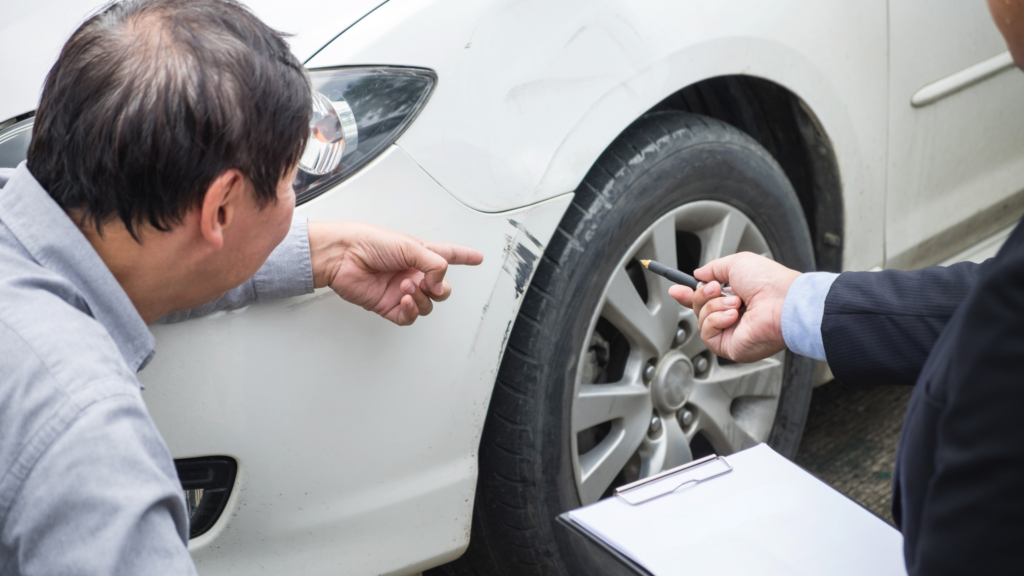
A low monthly premium means little if your insurer drags its feet when you file a claim. Claims-handling speed and fairness vary significantly between insurance companies, and this is where many drivers get burned after choosing based on price alone.
Before committing to a policy, research how an insurer handles claims in practice. Look for:
- Average claims processing time: How quickly does the company typically resolve claims after an accident?
- Customer complaint ratios: State insurance departments, including the Tennessee Department of Commerce and Insurance, publish complaint data that reveals patterns in customer dissatisfaction.
- Local adjuster availability: Insurers with adjusters based in or near East Tennessee can inspect damage faster and understand regional repair costs more accurately than a national call center.
- Reviews from local policyholders: Search for feedback specifically from Tennessee customers, since claims experiences can vary by state and region.
Choose an insurer with a strong local claims reputation if you want peace of mind after an accident. Choose based on price alone only if you’re comfortable gambling on service quality when it matters most.
Should East Tennessee drivers work with a local independent agent?
Independent insurance agents based in East Tennessee bring a level of regional knowledge that national call centers and online-only insurers can’t match. A local agent understands which roads see the most deer-related accidents, which neighborhoods face higher theft rates, and how local repair shop costs factor into claims.
Local agents also offer something increasingly rare in the insurance industry: a single point of contact who knows your policy and your history. When you call with a question or need to file a claim, you’re speaking with someone familiar with your situation, not starting over with a different representative each time.
Independent agents can also compare quotes across multiple insurance companies on your behalf, saving you the time of requesting quotes individually. This matters because coverage details and pricing structures vary significantly between insurers, even for seemingly similar policies.
Choose a local independent agent if you value personalized service and regional expertise. Choose a direct-to-consumer online insurer if you prioritize convenience and are comfortable managing your policy without in-person support.

What deductible strategy works best for your budget?
Your deductible is the amount you pay out of pocket before insurance coverage kicks in. Lower deductibles mean higher monthly premiums; higher deductibles reduce your premium but increase your financial responsibility after a claim.
The right deductible depends on your emergency savings. If you have $1,000 or more set aside for unexpected expenses, a higher deductible—such as $1,000—can lower your monthly costs without creating financial strain if you need to file a claim. If you don’t have savings to cover a higher deductible, a lower deductible protects you from a sudden, unaffordable expense, even though it costs more each month.
Run the numbers before deciding. Calculate the premium difference between deductible options over a full year, then compare that savings against what you’d need to pay out of pocket in a claim scenario. Sometimes the “cheaper” high-deductible policy costs more overall if you’re not financially prepared for the deductible itself.
How do you compare auto insurance quotes the right way?
Comparing insurance quotes properly means looking beyond the bottom-line premium. Use this checklist when evaluating multiple quotes:
- Match coverage limits exactly. Make sure you're comparing quotes with identical liability, collision, and comprehensive limits. A cheaper quote with lower limits isn't actually a better deal.
- Compare deductibles. Confirm each quote uses the same deductible amount for collision and comprehensive coverage.
- Check for discounts. Ask about bundling home and auto policies, safe-driver discounts, and multi-vehicle discounts, which can meaningfully lower your premium without reducing coverage.
- Review add-ons. Roadside assistance, rental car reimbursement, and gap insurance vary by insurer and aren't always included by default.
- Research the insurer's financial strength. Ratings from agencies like AM Best indicate whether an insurer has the financial stability to pay out claims reliably.
This approach takes more time than simply picking the lowest number on a quote page, but it ensures you’re comparing real value, not just price.
Making a confident, informed choice
Shopping for auto insurance in East Tennessee means weighing more than monthly cost. Coverage limits, deductible strategy, claims-handling reputation, and the value of local agent support all shape how well a policy protects you when an accident happens – whether that’s a fender bender in Knoxville traffic or a deer strike on a rural backroad near Gatlinburg.
The next time you’re comparing quotes, resist the urge to sort by price alone. Talk with our team of independent agents and let us do the shopping for you.