
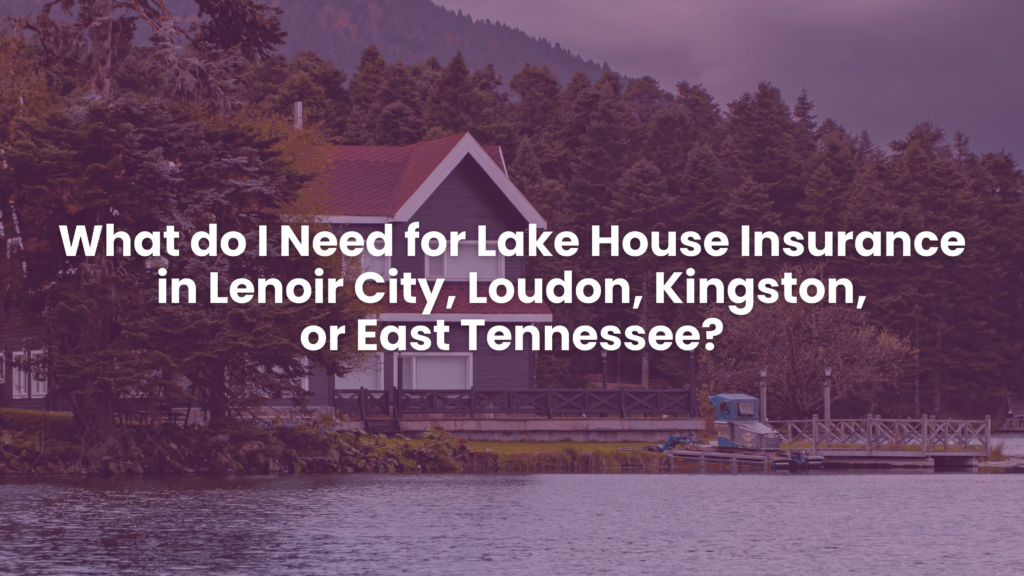
Article Overview: Lake house insurance is a homeowners or dwelling policy designed for waterfront or secondary properties. It typically covers the home’s structure, personal belongings, liability, and attached or detached structures like docks, boathouses, and sheds. Standard homeowners policies rarely include flood coverage, so a separate flood policy is often essential.
Owning a lake house on Watts Bar or Tellico Lake is a dream for many East Tennessee families. But protecting that property takes more thought than insuring a typical home. Waterfront and seasonal homes face risks a standard policy may not fully cover. This guide breaks down what lake house insurance actually covers, why your needs differ from a primary residence, and the specific exposures owners in Lenoir City, Loudon, and Kingston should plan for. By the end, you’ll know what questions to ask and what gaps to close before the next storm rolls across the lake.
Why Lake House Coverage Differs From Your Primary Home
A lake house is not just a second home. It comes with a different risk profile, and insurers price it that way.
Here’s why your coverage needs shift:
- Water proximity raises risk. Homes near Tellico Lake or Watts Bar Reservoir face higher exposure to flooding, erosion, and storm surge.
- Seasonal vacancy creates gaps. A home left empty for weeks invites undetected leaks, theft, or weather damage. Many standard policies limit or deny claims on vacant homes.
- Extra structures add value to insure. Docks, boat lifts, retaining walls, and detached garages all need their own coverage limits.
- Higher liability potential. More guests, swimmers, and watercraft mean more chances for an accident on your property.
Takeaway: Treat your lake house as its own risk, not a copy of your main home's policy.
Key Risks for Lake Homeowners in East Tennessee
Storm and Wind Damage
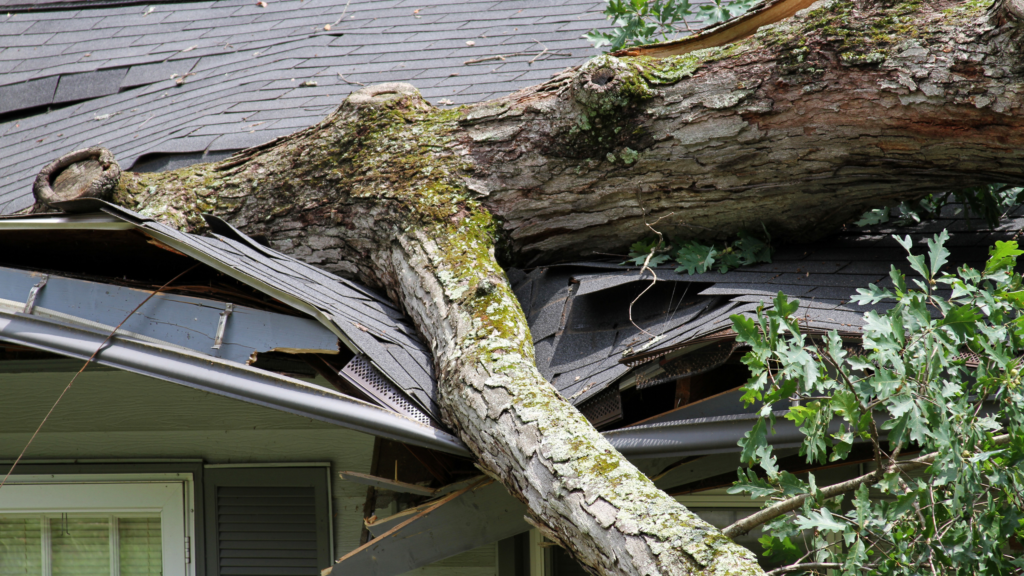
East Tennessee sees strong thunderstorms, high winds, and the occasional remnant of tropical systems. Fallen trees, hail, and wind-driven rain are common claims. Make sure your dwelling coverage reflects current rebuilding costs, which have climbed sharply in recent years.
Flooding and Water Exposure
This is the big one. Standard homeowners policies do not cover flood damage. With properties along the Tennessee River system, a separate flood policy through the National Flood Insurance Program or a private insurer is often necessary. Even homes outside official flood zones can flood after heavy rain.
Example: A Kingston owner whose home sat just above the floodplain assumed they were safe. A spring storm pushed water into the lower level, and without flood coverage, the repairs came entirely out of pocket.

Docks, Boathouses, and Outbuildings
Your dock and boat lift may be among your most valuable assets, yet many policies cover them only partially or not at all. Ask whether your structures are covered for wind, ice, and watercraft impact, and confirm the limits match replacement costs.

Liability Protection
A lake property invites visitors, and water activity increases accident risk. Strong liability coverage protects you if a guest is injured on your dock or in the water. Many owners add an umbrella policy for an extra layer of protection.

Seasonal Use and Vacancy
If your home sits empty for long stretches, insurers may apply vacancy clauses that reduce coverage. Tell your agent how the home is used. Smart-home water sensors and monitored alarms can lower risk and sometimes reduce premiums.

Personal Property Protection
Furnishings, kayaks, paddleboards, grills, and outdoor gear add up fast. Review your contents limit, and schedule high-value items separately. If you rent the home out, you may need additional coverage for guest-related losses.

Takeaway: Match each risk to a specific coverage so nothing slips through the cracks.
How to Build the Right Lake House Policy

Follow these steps to put together coverage that fits your property.
- 1. Inventory everything. List the home, detached structures, dock, and major belongings with estimated replacement values.
- 2. Confirm your flood risk. Check your flood zone and get a separate flood quote, even if you’re not required to carry it.
3. Review liability limits. Consider an umbrella policy if you host guests or rent the home.
4. Disclose how the home is used. Be clear about seasonal use, rentals, or long vacancies to avoid denied claims.
5. Compare specialized insurers. Some carriers understand waterfront and secondary homes better than others.
Common Mistakes Lake Homeowners Make
– Assuming a standard homeowners policy covers flooding (it doesn’t)
– Underinsuring docks, lifts, and detached structures
– Failing to report rental or seasonal use
– Setting personal property limits too low for furnished homes
– Skipping an umbrella policy despite high guest traffic
Avoid these, and you’ll close the gaps that catch most owners off guard.
Frequently Asked Questions
Does a regular homeowners policy cover my lake house?
Sometimes, but not always fully. Many insurers treat secondary or waterfront homes differently. You may need a specialized dwelling or secondary-home policy with added coverage for water risks and outbuildings.

Do I need flood insurance for a lake house in Loudon or Kingston?
Most likely, yes. Standard policies exclude flood damage. If your property sits near Tellico Lake or Watts Bar, a separate flood policy is strongly recommended, even outside a mapped flood zone.

Is my dock covered under my home insurance?
Not automatically. Docks, boat lifts, and boathouses often require specific coverage or higher limits. Always confirm the dollar amount and the perils covered, such as wind, ice, and impact.

What happens if my lake house is vacant for months?
Long vacancies can trigger coverage limits or exclusions. Tell your insurer about seasonal use. Adding monitored alarms and water-leak sensors can help protect the home and may reduce costs.

Should I get an umbrella policy?
If you host guests, allow swimming, or rent the home, an umbrella policy is worth considering. It adds liability protection above your home policy limits at a relatively low cost.

Does insurance change if I rent out my lake house?
Yes. Short-term rentals create added liability and property risks that standard policies may not cover. You’ll likely need a landlord or rental endorsement.

How much does lake house insurance cost?
It varies based on home value, location, flood risk, structures, and usage. Waterfront and seasonal homes generally cost more to insure than primary residences. A local agent can give you an accurate quote.

Quick Recap
- Lake homes need broader coverage than a primary residence.
- Flood damage requires a separate policy, even outside flood zones.
- Docks, boathouses, and outbuildings need their own limits.
- Liability and umbrella coverage matter for guest-heavy properties.
- Report seasonal use or rentals to avoid denied claims.
Protect Your Lake House with Confidence
The right policy keeps your East Tennessee getaway protected against the risks that come with waterfront living. Your next steps are simple:
- Review your current coverage for flood, dock, and liability gaps.
- Document your home, structures, and belongings with current values.
- Sit down with a local insurance expert who understands lake properties.
If you own a lake house in Lenoir City, Loudon, or Kingston, connect with our Griffin Insurance team today to review your coverage and make sure your property is fully protected before the next storm season.